How to maintain a tankless water heater for Maryland homes
Hard Maryland water scales your tankless unit fast. Here's the descaling schedule, winter steps, and annual service that keeps hot water flowing.
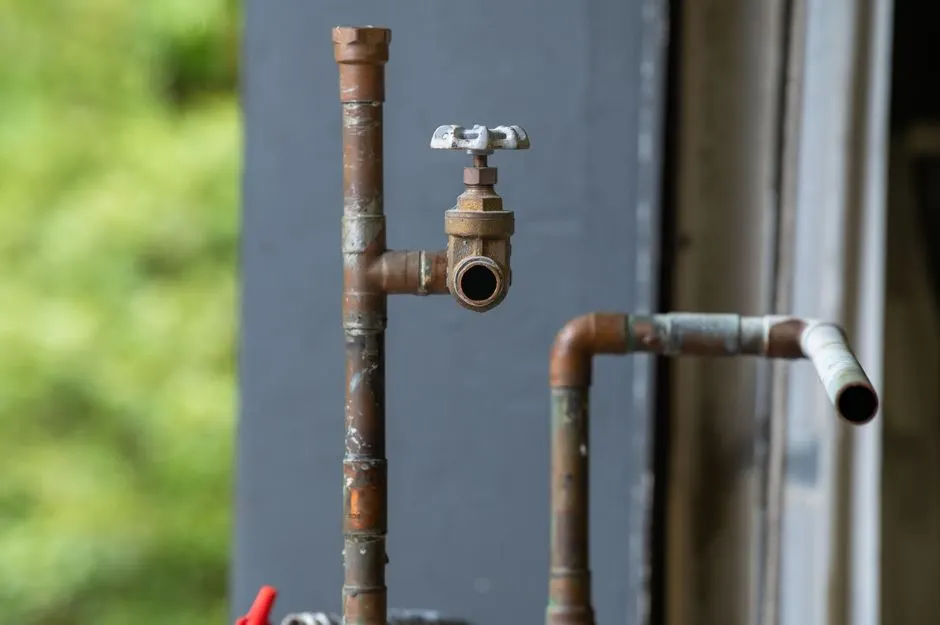
You maintain a tankless water heater in Maryland by descaling it every 12 months, flushing the inlet filter every 3 months, and checking the venting and freeze protection before the first hard freeze in November. Maryland's water runs hard - 7 to 10 grains per gallon across most of the state - so scale builds inside the heat exchanger faster here than in softer-water states, and skipped maintenance is the number one reason tankless units fail early.
Below we walk through the exact schedule our technicians use, what descaling costs in 2026, how to winterize a unit before a Maryland cold snap, and the mistakes that quietly kill heat exchangers.
What tankless water heater maintenance actually involves
Tankless water heater maintenance in Maryland is the routine service that removes mineral scale from the heat exchanger, clears the inlet filter, and verifies the unit is venting and draining correctly. It is not the same as a repair - it is the work that prevents repairs.
A tankless unit heats water on demand by running it through a copper or stainless heat exchanger. Every gallon that passes through leaves a thin film of calcium and magnesium behind. In a tank-style heater that scale settles at the bottom. In a tankless unit it coats the inside of narrow water channels - some as small as 3/8 inch - and the unit has to burn hotter and longer to hit the same output.
Three parts do most of the work and take most of the wear:
- Heat exchanger - where scale accumulates and where the expensive damage happens.
- Inlet filter screen - catches sediment from the municipal line or well; clogs in 3 to 6 months on well water.
- Vent and condensate lines - condensate traps on high-efficiency units can grow biofilm and back up if they are not cleared.
If you are still deciding between tank and tankless, our team handles Water Heater Installation in Maryland and can size a unit to your household's peak demand before you commit.
How often should you descale a tankless water heater in Maryland?
Descale a tankless water heater in Maryland every 12 months, or every 6 to 8 months if you are on well water or your hardness test reads above 10 grains per gallon. Manufacturers often print "every 12 to 24 months" in the manual - that interval assumes soft water, and Maryland is not soft water.
Descaling is the process of pumping a food-grade white vinegar or citric acid solution through the heat exchanger to dissolve mineral buildup. It takes about 60 to 90 minutes on a residential unit and requires two hoses, a submersible pump, and a 5-gallon bucket.
Here is the honest math. A tankless unit that never gets descaled in a hard-water area can lose 15 to 25 percent of its flow capacity within 3 years. You notice it as lukewarm showers when two fixtures run at once, or a unit that fires but never quite keeps up.
If your water comes from a private well - common in Frederick, Carroll, and Harford county properties - cut the interval to every 6 months. Well water carries more suspended sediment, and that sediment hits the inlet filter before it ever reaches the heat exchanger.
The annual maintenance schedule we follow
This is the schedule our technicians run on residential tankless systems. You can copy it whether you do the work yourself or hire it out.
Every 3 months
- Pull and rinse the inlet filter screen under running water. On well water, do this monthly.
- Check the condensate trap and drain line for standing water or slime.
- Look at the exterior vent termination for bird nests, leaves, or ice.
Every 12 months
- Full descale and flush of the heat exchanger.
- Clean the flame rod and burner if the unit is gas-fired.
- Test the temperature rise - inlet vs. outlet - against the unit's rated spec.
- Inspect gas connections and the pressure relief valve.
- Clear error codes and check the control board log for past fault events.
Every 3 to 5 years
- Replace the inlet filter assembly and any rubber gaskets that have hardened.
- Have the venting inspected for corrosion if the unit is a condensing model.
If your unit is throwing an error code you cannot clear, that is a repair, not maintenance. We handle Tankless Water Heater Services in Maryland for both service calls and full descaling visits.
Winter maintenance for Maryland tankless units
Tankless water heater winter maintenance in Maryland matters more than most homeowners expect, because the failure mode is different here. A tankless unit mounted on an exterior wall or in an unconditioned garage can freeze and crack the heat exchanger during a January cold snap - and that is a full replacement, not a repair.
Maryland winters swing hard. A 55-degree day in December followed by a 12-degree night is normal, and that rapid drop is what catches units with weak freeze protection.
Four things to do before the first hard freeze:
- Confirm the unit's freeze protection circuit is powered. Most modern tankless units have an internal heater that only runs if the unit still has electricity.
- Insulate exposed supply and return lines in garages, crawlspaces, and along exterior walls.
- Never shut off power to an exterior-mounted unit to "save energy" in winter - that disables freeze protection.
- If you leave for more than a few days, either keep the unit powered and set the thermostat no lower than 55 degrees, or drain the unit completely.
If you are heading south for a month and want the unit drained properly, that is a 30-minute service call. We do it across the region, including for homeowners who call us for Plumbing services in Frederick where exterior-mounted units are common on newer construction.
Can you maintain a tankless water heater yourself?
Yes, you can handle the quarterly filter rinse and visual checks yourself. Descaling is also doable as a DIY job if you are comfortable with basic tools, but it is the step where most homeowners either skip it or do it wrong.
The DIY descale kit runs $150 to $250 for a pump, hoses, and fittings. Vinegar is cheap. The catch is that you need to isolate the unit with the service valves, and on some installs those valves were never fitted - which means the first step is calling a plumber anyway.
What you should not DIY:
- Anything involving the gas line or burner assembly.
- Opening the heat exchanger or replacing the flame rod.
- Clearing persistent error codes - those point to a specific fault that needs diagnosis.
If your unit is under warranty, check the terms before you open the cabinet. Some manufacturers void coverage if a non-licensed person performs internal service.
Common mistakes we see on Maryland tankless systems
We see the same handful of mistakes on tankless units across the state, and most of them shorten the unit's life by years.
Skipping descaling because the water "looks fine." Scale is invisible until it is thick enough to choke flow. By the time you notice lukewarm water, the heat exchanger has been running hot for months.
Setting the output temperature to 140 degrees to "get hotter water." Higher setpoints accelerate scale formation. Set it to 120 degrees and fix the real problem - usually a flow restriction or an undersized unit.
Ignoring the inlet filter. A clogged filter starves the unit and triggers the same error codes as a failed heat exchanger. It is a $15 part and a 5-minute job.
Never testing the pressure relief valve. It should be exercised once a year. A stuck relief valve is a scald and flood risk.
Letting a small leak go. A drip at a fitting inside a tankless cabinet corrodes the control board. That is a $400 to $700 part on most models. Our Plumbing Repairs in Maryland team sees this constantly on units that are 6 to 8 years old.
When to call a professional
Call a professional when you see error codes that return after a reset, when the unit fires but the water never gets hot, when you smell gas, or when you find water inside the cabinet. Those are not maintenance issues - they are repair issues, and they get worse fast.
We also recommend a professional descaling if your unit has never been serviced and is more than 3 years old. The first flush on a neglected unit can dislodge scale in chunks that then block the outlet - a technician knows to flush in stages and check flow afterward.
Maryland Plumbing Pros handles annual tankless maintenance across the state. We test the temperature rise, log the results, and tell you plainly whether the unit has years left or is on its way out. No upsell on a unit that is working fine.
Frequently Asked Questions
How do I maintain my tankless water heater in Maryland?
Rinse the inlet filter every 3 months, descale the heat exchanger every 12 months, and check venting and freeze protection each fall. On well water, descale every 6 months. That schedule covers 90 percent of what keeps a Maryland tankless unit running.
How often should I service my tankless water heater in Maryland?
Once a year for a full service, minimum. Maryland's water averages 7 to 10 grains per gallon of hardness, so the manufacturer's "every 2 years" guidance does not hold up here. Well-water homes should service every 6 months.
What is descaling and why is it important in Maryland?
Descaling pumps a mild acid through the heat exchanger to dissolve calcium and magnesium scale. It matters in Maryland because hard water coats the exchanger's narrow channels, cutting flow capacity by 15 to 25 percent within 3 years and forcing the unit to run hotter.
Can I maintain a tankless water heater myself in Maryland?
You can rinse the filter and do visual checks yourself. Descaling is DIY-friendly if your unit has service valves installed. Leave gas work, burner cleaning, and error-code diagnosis to a licensed plumber - and check your warranty before opening the cabinet.
How much does tankless water heater maintenance cost in Maryland?
Typical 2026 pricing for a professional descale and annual service runs $150 to $300 depending on unit size and access. A DIY descale kit costs $150 to $250 up front and then roughly $20 per flush in vinegar.
Get help with Plumbing services in Maryland
If your tankless unit is due for a descale, throwing error codes, or you just want a straight answer on whether it has years left, we will take a look and tell you what it needs.
Call Maryland Plumbing Pros at (410)886-8838 to schedule tankless water heater service anywhere in Maryland.