Maryland Plumbing Codes Every Homeowner Should Know
Permits, inspections, water heater rules, and the violations that trip up Maryland homeowners most - what the code actually requires and when to call a pro.
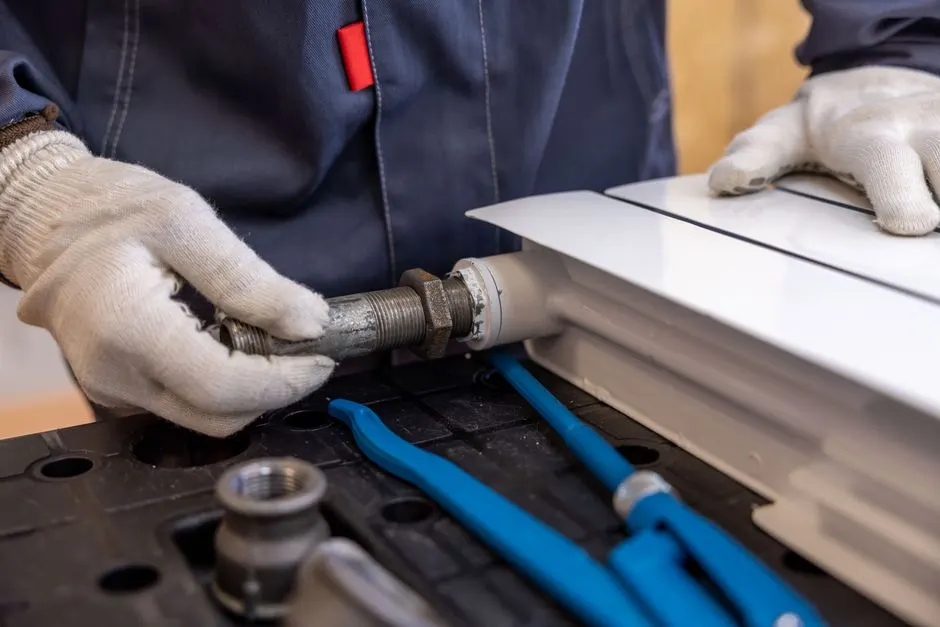
Maryland plumbing codes homeowners deal with are the state and county rules that govern how water, drain, and gas lines get installed, repaired, and inspected - and the short version is this: most plumbing work beyond a faucet swap needs a permit, a licensed plumber, and an inspection. If you are replacing a water heater, moving a drain, or running new supply lines, plan on pulling a permit before anyone cuts into a wall.
What follows is the practical version of those rules - what triggers a permit, how licensing works, where homeowners get cited, and what an inspector actually looks at when they walk into your basement. We work in these codes every day across Maryland, so this is written from the jobsite, not the statute book.
What Maryland plumbing codes homeowners need to know first
Maryland plumbing code is the set of construction standards - adopted from the International Plumbing Code with Maryland amendments - that local jurisdictions enforce through permits and inspections. It covers pipe sizing, venting, backflow prevention, water heater installation, gas piping, and drain slope. Counties and cities layer their own amendments on top, which is why a job that passes in one jurisdiction can fail in the next one over.
Three things drive almost every code question we get:
- Permits. Most repairs and all new installations require one. Simple fixture swaps usually do not.
- Licensing. Only a licensed master or journeyman plumber can legally pull a plumbing permit and perform the work in most Maryland jurisdictions.
- Inspections. Rough-in and final inspections are separate events, and the wall cannot be closed until the rough-in passes.
If you are comparing contractors, start with a company that already works inside these rules daily. Our Plumbing services in Maryland are built around permit-and-inspection workflows, so nothing gets red-tagged after the fact.
Do I need a permit for plumbing work in Maryland?
Yes - in most Maryland counties, any plumbing work that changes, extends, or replaces part of the water, drain, waste, vent, or gas system requires a permit. That includes water heater replacement, repiping, adding a bathroom, moving a fixture, replacing a main sewer line, and installing a new gas appliance. Swapping a faucet, replacing a toilet fill valve, or clearing a clog does not.
The rule of thumb: if the work touches pipe behind a wall, under a slab, or in the ground, permit it. If it is a fixture-level repair at the point of use, you usually do not need one.
What a permit actually gets you
A permit is not paperwork for its own sake. It buys you an inspection - a third party confirming the work was done to code before it disappears behind drywall. That inspection record also matters at resale. Unpermitted plumbing shows up in title searches, and buyers' inspectors flag it fast.
Cost and timeline
Residential plumbing permits in Maryland typically run $75 to $250 depending on the jurisdiction and scope, with larger jobs priced higher. Plan on a few business days for issuance and another day or two of scheduling for the inspection itself. Typical 2026 pricing in this area has crept up a bit with county fee schedules, but the range still holds.
Maryland plumbing license requirements (and how to check yours)
Maryland plumbing license requirements mean the person doing the work must hold a current state license - either a master plumber license, which allows them to pull permits and run a business, or a journeyman license, which allows them to perform the work under a master. Apprentices work under direct supervision.
You can verify any plumber in about two minutes:
- Ask for their license number before work starts.
- Look them up through the Maryland Department of Labor's licensing portal.
- Confirm the license is active and matches the name on the estimate.
If the number does not come up, or the name does not match, walk away. Unlicensed work is the single fastest way to void a homeowner's insurance coverage on a water damage claim.
For anything beyond a small repair, we send a residential plumber Maryland homeowners can verify before the truck pulls up - license number on the invoice, permit pulled in your name, inspection scheduled before we close the wall.
Water heater rules: the code most homeowners miss
Maryland plumbing code for water heaters is where we see the most homeowner-installed mistakes, and they are almost always the same three: no expansion tank, no drip leg on the gas line, and no seismic or strapping restraint where required. Each one is a code violation, and each one is cheap to fix during installation and expensive to fix after an inspection fails.
What the code requires on a standard residential water heater installation:
- Temperature and pressure relief valve piped to within 6 inches of the floor, or to the exterior.
- Expansion tank on closed systems - which is most Maryland homes with a backflow preventer at the meter.
- Drip leg on gas-fired units, plus a flexible connector rated for the appliance.
- Venting matched to the unit's BTU rating and run with proper slope.
- Combustion air for gas units in closets or tight utility rooms.
If you are replacing a tank, this is the moment to think about a tankless unit - but the gas line sizing and venting rules are stricter, and the permit is non-negotiable. Our tankless water heater Maryland installs include the permit, the inspection, and the gas line upgrade when the existing line is undersized.
Common plumbing code violations in Maryland
Common plumbing code violations in Maryland fall into a handful of categories, and most of them come from DIY work or from contractors cutting corners on the parts you cannot see. Here is what inspectors flag most often.
Venting and drain slope
Drain lines need a specific slope - typically 1/4 inch per foot for pipes 2 inches and under - and every fixture needs a properly sized vent. Flat or back-graded drains clog, and missing vents cause gurgling and slow drainage that no amount of snaking fixes.
Backflow prevention
Any cross-connection between potable water and a potential contaminant source needs a backflow preventer. Hose bibs, irrigation systems, boilers, and commercial kitchen equipment are the usual suspects. Missing backflow protection is a health-code issue, not just a plumbing one.
Improper materials
Using the wrong pipe for the application - PVC where code requires ABS, or non-rated flex connectors behind a wall - fails inspection every time. So does S-trap plumbing under a sink, which siphons the trap dry and lets sewer gas into the house.
Unpermitted work
This is the big one. Finished basements with new bathrooms, added laundry rooms, and replaced sewer lines are the three most common unpermitted jobs we find. When they fail, the homeowner pays twice.
If you have inherited a house with questionable plumbing, a plumber repair Maryland inspection can map what is legal, what is not, and what needs to be brought up to code before you sell.
Maryland plumbing inspections: what actually gets checked
Maryland plumbing inspections happen in two stages, and both are mandatory on permitted work. The rough-in inspection happens after pipes are installed but before walls are closed. The final inspection happens after fixtures are set and the system is pressurized.
At rough-in, the inspector is looking at pipe sizing, slope, venting, support spacing, and the water test on the drain system. At final, they check fixture connections, water pressure, the water heater installation, and that the gas line has been leak-tested.
Two things homeowners should know:
- Do not close the wall early. If drywall goes up before rough-in passes, it comes back down.
- Keep the paperwork. The inspection record is proof the work was done legally, and it will come up at resale.
In older housing stock - the pre-1950 rowhouses in Plumbing services in Baltimore, for example - inspectors often find galvanized supply lines and clay sewer laterals that fail modern standards even though they were legal when installed. Those are grandfathered until you touch them. Once you remodel, they have to meet current code.
When to call a professional
Call a licensed plumber any time the work needs a permit, touches gas, involves the main sewer line, or requires opening a wall or slab. Those are the jobs where a mistake means water damage, a gas leak, or a failed inspection - and where the permit itself requires a licensed contractor to pull it.
We handle the whole sequence: diagnose the problem, pull the permit, do the work, meet the inspector, and hand you the signed-off paperwork. If you are not sure whether your project needs a permit, call us and we will tell you straight - the answer is free, and it is usually faster than guessing.
Frequently Asked Questions
What plumbing codes should Maryland homeowners know?
The three that matter most: permits are required for most plumbing work beyond fixture swaps, only licensed plumbers can pull them, and water heater installs need an expansion tank, T&P relief piping, and a drip leg on gas units. Local jurisdictions add their own amendments on top of the state code.
Do I need a permit for plumbing work in Maryland?
Yes, for anything that changes or extends the water, drain, vent, or gas system - including water heater replacement, repiping, and new fixtures. Simple repairs like a faucet swap or clearing a clog do not require one. Budget $75 to $250 for a typical residential permit.
What are common plumbing code violations in Maryland?
The most frequent are missing backflow prevention, improper drain slope, missing or undersized vents, S-trap plumbing under sinks, wrong pipe materials, and unpermitted work. Water heater installs missing an expansion tank or drip leg also fail regularly.
How do I check if a plumber is licensed in Maryland?
Ask for their license number, then verify it through the Maryland Department of Labor's licensing portal. Confirm the license is active and the name matches your estimate. If it does not check out, do not hire them - unlicensed work can void your insurance.
How long does a Maryland plumbing inspection take?
Rough-in and final inspections each take 30 to 60 minutes on a typical residential job. Scheduling usually runs a day or two out. The wall cannot be closed until rough-in passes, so plan the drywall crew around the inspection date.
Get help with Plumbing services in Maryland
Whether you are replacing a water heater, adding a bathroom, or fixing work a previous owner left unpermitted, we handle the permit, the code, and the inspection from start to finish. One call and it is off your plate.
Call Maryland Plumbing Pros at (410)886-8838 to schedule your estimate.